Sub-Irrigation Channel
Underground irrigation, expandable to any size border or planter, for optimal moisture for every type of planting.
- 100% recycled raw materials
- UV and frost-resistant products
- Sustainably produced in Europe
What is Sub-Irrigation Channel™?
The BERA WaterUps Sub-Irrigation Channel™ (SIC) is an efficient, modularly expandable (parallel or in series), and proven wicking (capillary) system for rapid, water-saving underground irrigation in borders or larger planters.
There is a standard SIC version of approx. 123x45cm and a ‘Mini-SIC’ of approx. 85x23cm
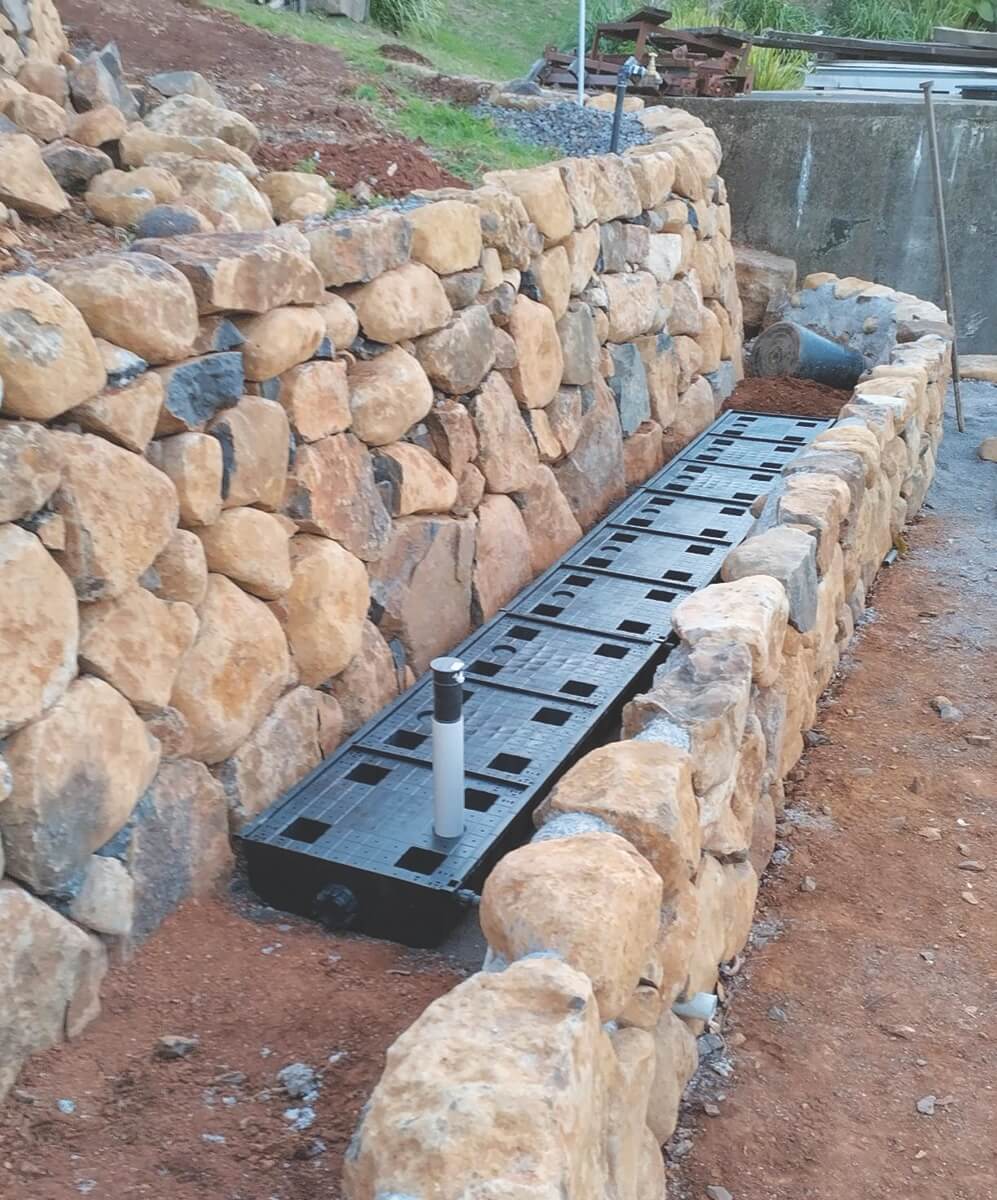
Where to use Sub-Irrigation Channel™
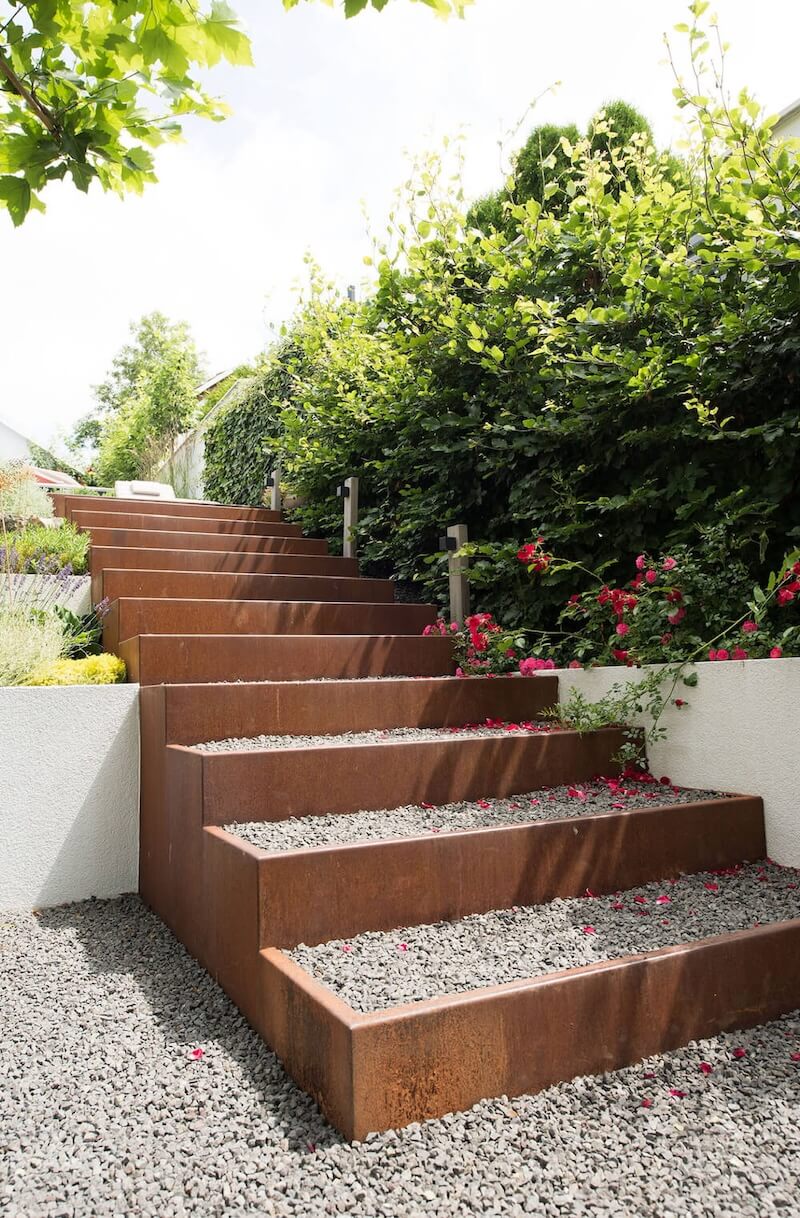
- Raised borders
- Green roofs
- Gardens
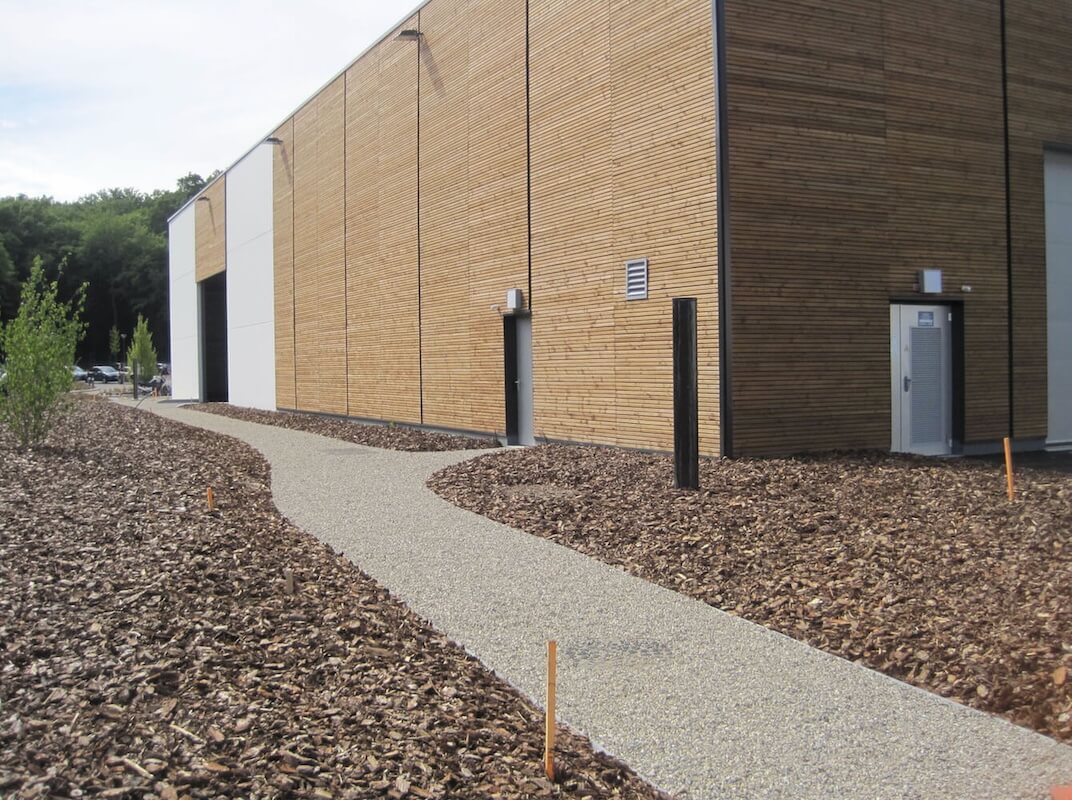
- Public spaces
- Nurseries
- Rain gardens
- Lawns
Features & benefits
- Water saving: 80% less water.
- Efficiency: up to 90% less frequent watering.
- Root strength: stronger root growth, resulting in a stronger plant.
- Faster realization: quicker establishment of gardens or borders.
- Sustainability: sustainable water solution.


Environmental & technical expertise
Produced from 100% recycled raw materials, suitable for the food chain, and therefore safe for humans, animals, and the environment.
Sub-Irrigation Channel™ is a sustainable product
- Produced in Europe with sustainable energy sources
- Fully recyclable at the end of the life cycle
- Optional 100% recycled raw materials at no extra cost
- Safety in accordance with REACH (EC1907/2006)
- UV and frost resistant

Where to buy?
Sub-Irrigation Channel™ is available through our global dealer network.
How it works
Wondering how BERA WaterUps works?
Watch this video and discover how smart capillary technology brings water exactly where plants need it most.







Download brochure
Discover the brochures about the Sub-Irrigation Channel™ solution. Easily download product information to increase your knowledge and better advise customers.
Why choose BERA
More than 30 years of experience worldwide
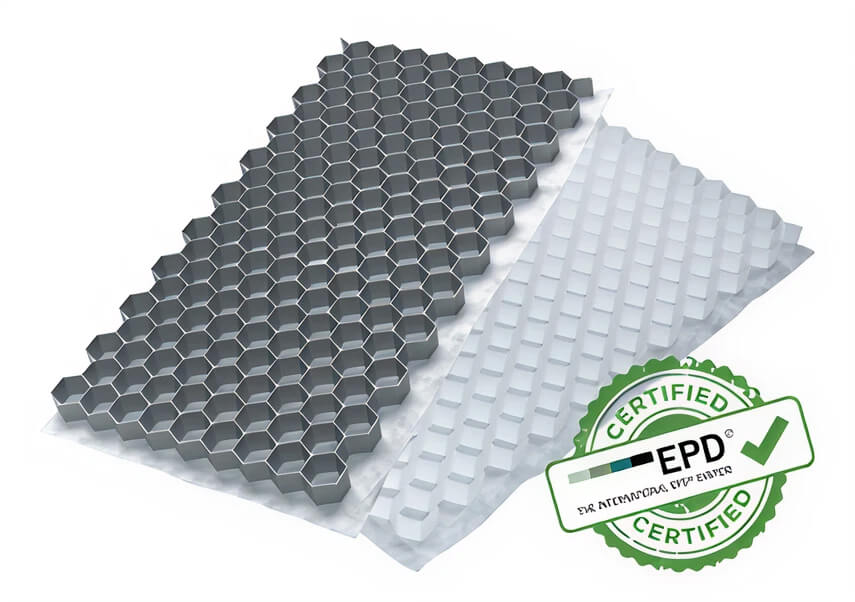
Certified sustainability with EPD
Innovative products
Frequently Asked Questions
#1 How does the wicking effect work in WaterUps?
The wicking effect, also known as capillary action, allows certain materials to draw water upwards against gravity—much like oil rising through the wick of an oil lamp.
WaterUps uses this principle to supply plants with water from a reservoir beneath the soil. The reservoir is filled from above, and the patented WaterUps irrigation element enables water to rise through the soil by up to 35 cm, watering plants from below.
#2 How does WaterUps save water?
WaterUps stores water beneath the roots, keeping it available where plants need it. The reservoir prevents water from draining into the ground below and limits evaporation compared with watering from above. Plants draw water as they need it, while rainfall filtering through the soil helps replenish the reservoir.
Together, these features can reduce irrigation water use by up to 80%.
In a City of Sydney trial in Australia, water savings reached 943 litres per tree over 18 months. The trial also demonstrated a substantial reduction in watering frequency; see FAQ #3.
#3 How does WaterUps reduce watering frequency?
By storing water beneath the soil and making it available to the roots as needed, WaterUps extends the time between refills.
A City of Sydney trial in Australia recorded the following reductions in watering frequency for newly planted young trees:
Period | Conventional watering | With WaterUps |
Month 1 | Four times a week | Once a week |
Months 2–3 | Three times a week | Once every two weeks |
Months 4–18 | Twice a week | Once every two weeks |
#4 How can I save money with WaterUps?
WaterUps can reduce both water bills and the labour required for watering.
In an 18-month City of Sydney trial involving newly planted street trees, reduced water consumption and fewer watering visits resulted in average savings equivalent to EUR 380 per tree. These savings allowed the purchase cost of the WaterUps sets to be recovered quickly. See FAQs #2 and #3 for the water savings and watering schedules recorded in the trial.
#5 Can I use WaterUps for edible plants?
Yes. All components in a complete WaterUps set are safe for use with edible plants, including fruit trees and vegetables.
#6 How does WaterUps support healthier growth and higher yields?
WaterUps provides a steady supply of moisture, allowing plants to draw water as they need it. This helps reduce the cycle of drying out and rehydration that can occur with conventional watering.
Time-lapse recordings show how plants can repeatedly droop and recover as water availability changes. A more consistent moisture supply helps reduce this stress and supports healthy growth and productivity.
Supplying water from below also encourages roots to grow downwards towards the reservoir. Deeper root development can help plants establish themselves more securely in the soil.
#7 What benefits does WaterUps offer in my garden or on my balcony?
WaterUps keeps water available beneath your plants for longer, reducing water loss and the need for frequent watering. That means less time spent watering, lower water bills and more time to enjoy your garden or balcony.
Based on practical experience with commonly grown plants in Central Europe, a full reservoir can typically provide enough water for a two-week summer holiday. The actual interval between refills depends on the reservoir size, plants, growing medium and weather conditions.
If you use rainwater collected in BERA Rainblocks, your stored supply can also last considerably longer during dry periods. This helps you make better use of available rainwater when mains-water use is restricted, subject to local rules.
#8 What benefits does WaterUps offer in the public and commercial sectors?
WaterUps can reduce irrigation water use by up to 80% while cutting the number of watering visits needed for trees, planting beds and planters.
In a City of Sydney trial in Australia, 943 litres of water per tree were saved over 18 months; see FAQ #2.
Fewer watering visits also reduce labour and maintenance costs. For municipalities and businesses facing staff shortages, WaterUps can help teams maintain landscaped areas with fewer resources, particularly during the busy summer months.
#9 What benefits does WaterUps offer in agriculture?
WaterUps products are safe for use with edible crops. Its underground irrigation boxes can be connected in continuous runs beneath rows of vegetables, supplying water below the soil surface.
Connected systems can be supplied through a single inlet, reducing the time and effort required for irrigation. System size and layout should be matched to the crop and site requirements.
Combined with potential water savings of up to 80%, more consistent irrigation can help reduce crop losses caused by water stress and improve overall production efficiency.
#10 Can I use WaterUps in a raised bed?
Yes. Complete WaterUps irrigation tank sets are available in different sizes to suit a range of raised beds.
The 0880 (square) and 1240 (rectangular) versions fit many raised bed models available from DIY stores and garden centres. Check the internal dimensions of your raised bed before choosing a set.
#11 How deep should WaterUps be installed?
Capillary action can draw moisture upwards through suitable soil or growing media by approximately 35 cm. As a guide, position the WaterUps reservoir approximately 30 cm below the root ball.
Roots will gradually grow towards the reservoir as they access the moisture supplied from below. Over time, they may grow around it and extend further into the surrounding soil.
In a raised bed, the irrigation tank may need to sit partway up the bed rather than at the bottom. Its position should suit the rooting depth of your chosen plants and keep the root zone within reach of the capillary water supply.
They rely on our solutions
Our advisors are happy to help you!
Leave your message here, we will contact you within 24 hours and help you with the right advice!
"*" indicates required fields

Call us: +31 (0) 33 257 0302
- Active in 47+ countries worldwide since 2008
- Certified sustainability with EPD
- Highest professional quality